Choosing the right shade of green based on your skin undertone can completely transform the way a formal dress looks on your complexion. Green is one of the most visually versatile colors in fashion because it can appear soft, luxurious, bold, romantic, dramatic, or understated depending on the exact tone and fabric used. However, that same versatility also makes green difficult to style correctly. A shade that flatters one complexion beautifully may wash out another entirely. This becomes even more noticeable in prom dresses and evening gowns where satin reflection, sequins, camera flash, and venue lighting intensify color contrast against the skin.
This guide explores how different shades of green interact with warm, cool, neutral, and olive undertones while helping readers choose styles that feel naturally flattering instead of trend driven alone. From emerald green and forest green to softer tones like sage green and olive-inspired hues, Viridia focuses on wearable elegance that enhances natural complexion balance. Understanding undertones helps shoppers choose dresses that look polished in both real life and photography while creating a more harmonious formalwear appearance overall.
Why Skin Undertones Matter When Choosing Green Dresses
Skin Tone vs Skin Undertone
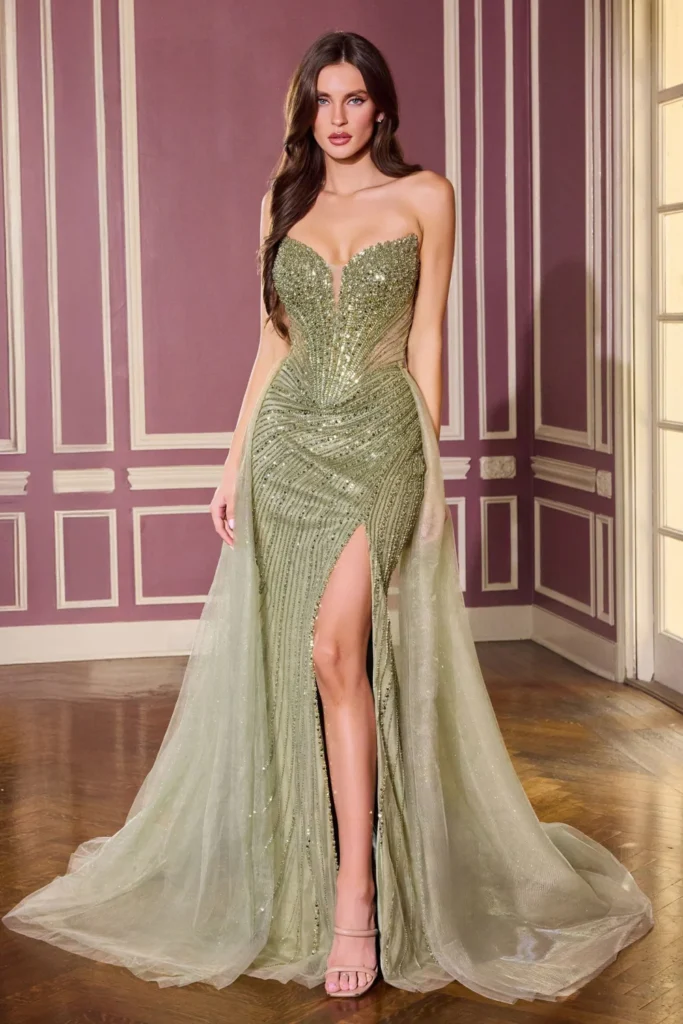
Many shoppers confuse skin tone with undertone, but they influence fashion styling in completely different ways. Skin tone refers to the visible depth of the complexion, such as fair, medium, tan, or deep skin. Undertones describe the subtle color temperature beneath the surface of the skin. These undertones are generally categorized as warm, cool, neutral, or olive.
Understanding undertones is essential when selecting the right shade of green based on your skin undertone because green sits between warm and cool color families. Unlike black or navy, green shifts dramatically depending on lighting, fabric texture, and saturation.
For example:
- Warm undertones often contain golden or peachy warmth
- Cool undertones usually carry rosy or bluish depth
- Neutral undertones balance both warm and cool features
- Olive undertones contain muted green-gray pigmentation
Two people with similar skin depth may still require completely different green shades because undertones affect how color reflects onto the face.
How Undertones Affect Color Harmony
Color harmony is one of the biggest reasons undertones matter in formalwear styling. When a dress color complements the undertones of the skin, the complexion naturally appears brighter, smoother, and more balanced.
Warm green shades usually contain earthy, golden, or yellow influences. These tones enhance warm complexions because they mirror warmth already present in the skin. Cool green shades contain blue, smoky, or jewel-toned depth that creates clarity and elegant contrast on cool undertones.
This interaction becomes even stronger with reflective fabrics. Satin, sequins, glitter fabrics, and metallic embroidery bounce color and light directly onto the face. If the undertones clash, reflected light can exaggerate dullness, redness, or uneven skin texture.
A harmonious green dress often creates these effects:
- Skin appears brighter
- Facial features look clearer
- Makeup blends more naturally
- Jewelry styling feels cohesive
- Photographs appear more polished
Meanwhile, the wrong green tone can make the complexion appear flat or visually disconnected from the outfit.
Why Certain Greens Make Skin Glow While Others Wash It Out
The difference usually comes down to saturation, contrast, and undertone balance. Some greens naturally enhance the skin, while others compete against it.
For example, icy sage tones may flatten warm undertones because the gray-blue pigments remove warmth from the face visually. Neon yellow greens can overwhelm cool undertones because the contrast feels too sharp against rosy or bluish pigmentation.
Fabric also changes how green behaves visually:
| Fabric | Effect on Green Dresses |
|---|---|
| Satin | Increases brightness and reflection |
| Velvet | Adds depth and richness |
| Sequins | Intensifies saturation |
| Chiffon | Softens color appearance |
| Metallic fabric | Amplifies undertones strongly |
Viridia often balances green formalwear through controlled saturation and fabric selection instead of relying only on trend-focused brightness. This creates gowns that feel elegant and wearable across different undertones and lighting conditions.
How to Identify Your Skin Undertone
The Vein Test
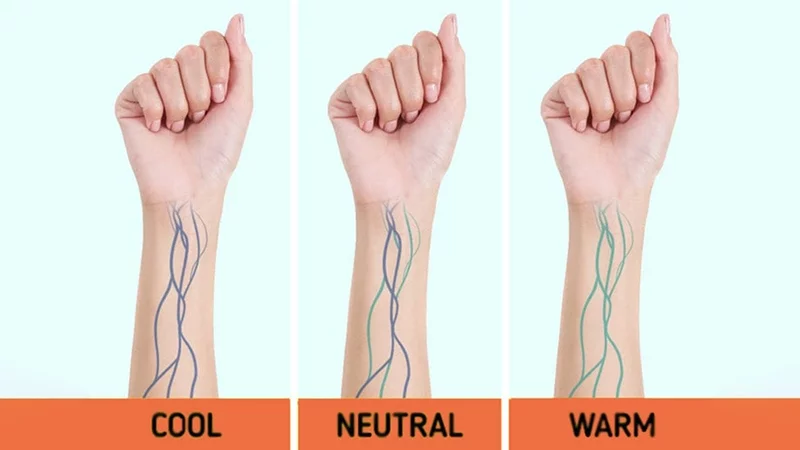
One of the easiest ways to identify undertones is the vein test. Under natural daylight, examine the veins around your wrist or forearm.
- Blue or purple veins often indicate cool undertones
- Green veins usually suggest warm undertones
- Mixed blue-green veins may indicate neutral undertones
While not perfect, this method provides a useful starting point for choosing flattering dress colors.
People with olive undertones sometimes find this test less obvious because their complexion contains muted green-gray depth that shifts depending on lighting.
Gold vs Silver Jewelry Test
Jewelry tests are commonly used in fashion styling because metals interact strongly with undertones.
If gold jewelry creates softness and warmth against the skin, warm undertones are likely dominant. If silver jewelry brightens the complexion and creates sharper definition, cool undertones are usually present.
Neutral undertones may successfully wear both metals without dramatic imbalance.
This test also helps when selecting accessories for green dresses because jewelry coordination changes the final visual harmony of the outfit.
Warm undertones generally pair beautifully with:
- Gold jewelry
- Champagne metallics
- Bronze accessories
- Warm nude heels
Cool undertones often look strongest with:
- Silver jewelry
- Crystal embellishments
- Pearl details
- Cool metallic shoes
Natural Sun Reaction Clues
Sun exposure can also reveal undertone characteristics. Warm undertones often tan more gradually and evenly, while cool undertones tend to burn before tanning.
Neutral undertones usually experience a balance between both reactions.
Another useful observation is facial brightness under natural sunlight. Warm undertones often appear golden outdoors, while cool undertones maintain rosier or bluish depth.
Although this method is less precise than professional color analysis, it helps many shoppers narrow down their undertone category before shopping for formalwear.
Neutral Undertones and Mixed Features
Neutral undertones are often considered the most flexible because they balance both warm and cool pigmentation. However, flexibility does not mean every green automatically works equally well.
Neutral undertones still benefit from understanding contrast level, saturation, and fabric interaction.
Many neutral complexions look especially elegant in:
- Balanced emerald greens
- Muted sage tones
- Medium forest greens
- Soft olive-inspired shades
Hair and eye color also become more influential for neutral undertones. Someone with neutral skin and dark hair may wear jewel-toned greens beautifully, while softer features often pair better with muted green palettes.
Viridia frequently incorporates versatile green collections designed specifically for this styling flexibility because these shades transition easily across seasons, lighting conditions, and event aesthetics.
Best Green Shades for Warm Undertones
Olive Green and Moss Green
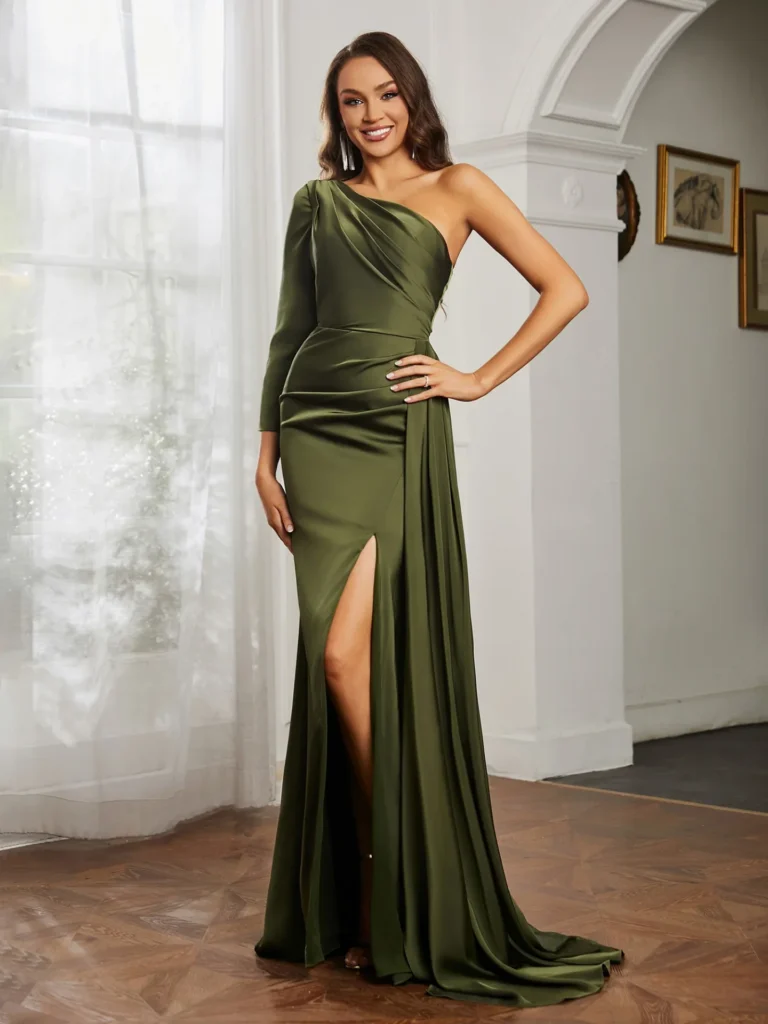
Warm undertones generally look most harmonious beside earthy greens that contain golden or yellow depth. Olive green is one of the most flattering choices because it mirrors warmth already present within the complexion.
Moss green also creates natural sophistication without appearing too bright or artificial. These earthy shades feel refined and wearable while maintaining enough richness for formal occasions.
Olive-inspired gowns often work beautifully in:
- Satin fabrics
- Velvet textures
- Structured silhouettes
- Minimalist eveningwear styling
These tones also photograph well under warm indoor lighting because they maintain depth instead of becoming overly reflective.
Yellow-Based Emerald Greens
Not all emerald green dresses are identical. Some emerald shades lean cool and jewel-toned, while others contain warmer golden depth.
Warm undertones usually benefit from emerald greens that feel slightly richer and softer instead of icy or electric. Yellow-based emerald tones brighten warm skin naturally and create luxurious contrast without overpowering facial warmth.
These shades often pair beautifully with:
- Bronze makeup
- Champagne heels
- Gold earrings
- Warm-toned glam styling
Because emerald green remains one of the most requested prom dress colors, selecting the correct emerald undertone becomes essential for achieving balanced elegance.
Lime and Chartreuse for Bold Styling
Lime green and chartreuse are more fashion-forward choices, but they can look stunning on warm undertones when styled correctly.
These brighter greens contain noticeable yellow influence, which naturally complements warmer pigmentation. However, balance becomes important because intense saturation can overpower facial features if accessories and makeup compete too heavily.
Successful styling often includes:
- Neutral makeup balance
- Sleek hairstyles
- Minimal accessories
- Clean silhouettes
These brighter greens work particularly well for statement prom looks and editorial-inspired formalwear aesthetics.
Best Fabrics for Warm Complexions
Fabric choice dramatically changes how green interacts with warm undertones.
Satin increases luminosity and warmth, making olive and emerald tones appear richer under evening lighting. Velvet absorbs light and creates mature sophistication. Sequins amplify brightness and should be balanced carefully to avoid excessive reflectivity.
Warm undertones usually look strongest in fabrics that enhance richness instead of creating icy shine.
Viridia frequently uses layered satin, stretch velvet, and dimensional embellishments in green formalwear collections because these materials create elegant warmth while maintaining flattering structure.
Best Green Shades for Cool Undertones
Blue-Based Emerald Green
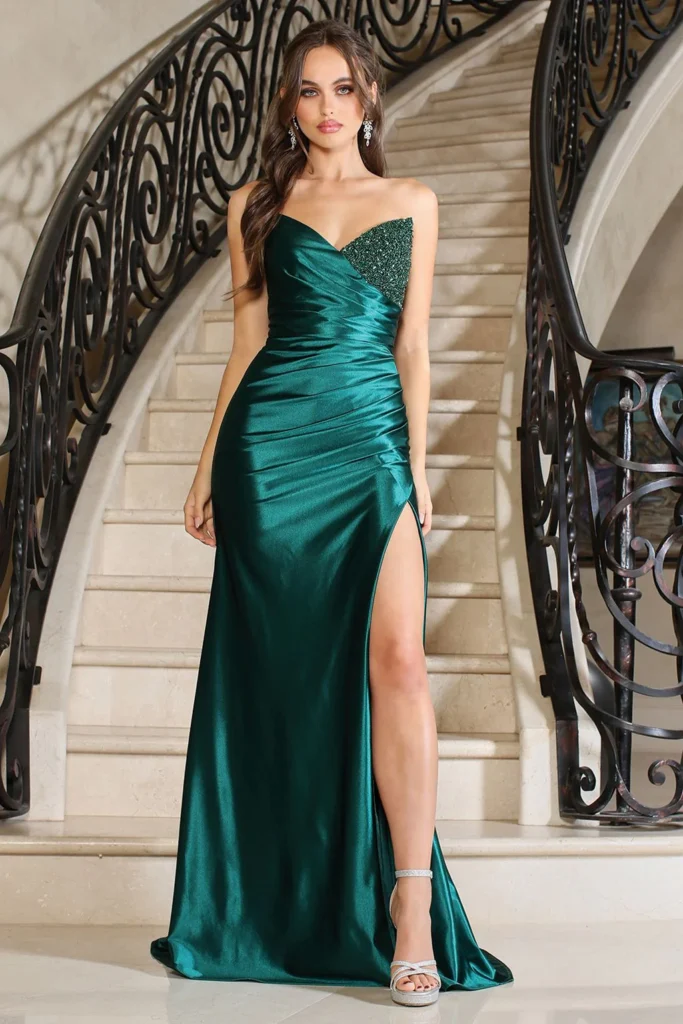
Cool undertones often look most balanced in greens that contain blue or jewel-toned depth. Blue-based emerald green is one of the most flattering choices because it creates brightness and definition without overwhelming the complexion.
This type of emerald green feels rich and luxurious while maintaining cool clarity under both natural light and indoor venue lighting. It is especially effective for formalwear because jewel tones retain depth in photography instead of appearing faded under flash.
Cool undertones paired with darker hair often create particularly dramatic contrast in emerald gowns. The combination feels polished and elegant without requiring excessive accessories or embellishment.
These shades pair beautifully with:
- Silver jewelry
- Crystal earrings
- Cool metallic heels
- Rhinestone embellishments
- Pearl accents
Blue-based emeralds also work exceptionally well in satin because the reflective finish enhances jewel-like richness while maintaining sophistication.
Sage Green and Dusty Green Tones
Sage green remains one of the most versatile choices for cool undertones because it contains muted gray-blue softness that complements cooler skin naturally. Unlike neon or heavily yellow greens, sage feels calm and romantic rather than overpowering.
Dusty green and eucalyptus-inspired tones also create elegant softness for formal events. These shades are especially popular in chiffon, layered tulle, and satin gowns because the muted color palette creates graceful movement without appearing too visually heavy.
Many cool undertones prefer softer greens because highly saturated shades can compete too aggressively against delicate facial contrast. Sage tones allow the complexion to remain the focal point while still adding rich color to the overall outfit.
Soft green dresses often pair beautifully with:
- Rosy makeup tones
- Mauve lipstick
- Soft contouring
- Loose hairstyles
- Minimal jewelry styling
Viridia frequently incorporates muted green palettes into eveningwear collections because these tones feel timeless, feminine, and highly wearable across different formal occasions.
Deep Forest Green for Evening Elegance
Forest green is one of the most sophisticated options for cool undertones, especially in eveningwear. Deep greens create dramatic richness while remaining softer than black, making them ideal for elegant formal styling.
Forest green works especially well for:
- Velvet gowns
- Satin corset dresses
- Long sleeve evening dresses
- Structured silhouettes
- Winter formal events
Because forest green absorbs light differently than brighter greens, it creates luxurious depth in photographs and indoor lighting. This shade often flatters cool undertones by enhancing facial clarity without creating harsh contrast.
Darker green gowns also feel versatile because they pair easily with multiple accessory palettes. Silver, crystal, black, and even soft nude accents can all work successfully depending on the overall styling direction.
One reason forest green remains popular in formalwear is because it feels refined rather than trend dependent. It creates visual richness while maintaining timeless appeal.
Silver Accessories and Cool Tone Styling
Cool undertones generally look strongest when accessories reinforce the coolness already present within the outfit.
Silver jewelry tends to complement cool-toned greens more naturally than gold because it maintains clarity and brightness instead of adding warmth. Crystal embellishments, pearl accents, and cool metallic shoes also enhance harmony within the look.
Successful cool-toned styling often includes:
| Styling Element | Best Direction |
|---|---|
| Jewelry | Silver or crystal |
| Makeup | Mauve, rosy, taupe |
| Shoes | Silver, nude, black |
| Clutch | Metallic cool tones |
| Hair styling | Sleek or softly textured |
Avoiding excessive warmth becomes important for cool undertones. Bronze-heavy makeup or yellow metallic accessories can visually disconnect the outfit from the complexion.
Viridia often styles cool green gowns with balanced embellishment and refined silhouettes instead of overly dramatic ornamentation. This allows jewel tones and elegant fabrics to remain the visual focus.
Best Green Shades for Neutral Undertones
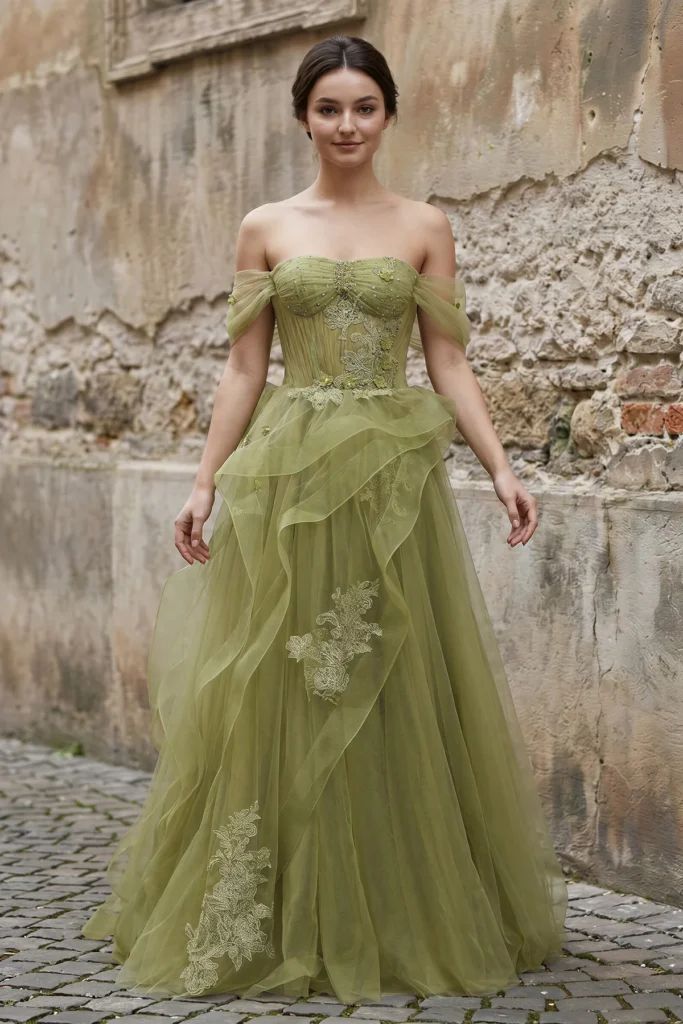
Why Neutral Undertones Have More Flexibility
Neutral undertones are often considered the easiest to style because they contain a balance of warm and cool pigmentation. This flexibility allows neutral complexions to wear a broader range of green shades successfully.
However, flexibility does not mean every green automatically feels equally flattering. Saturation, contrast level, and fabric still influence how harmonious the final appearance becomes.
Neutral undertones usually succeed when the green shade itself feels balanced rather than extremely warm or extremely cool.
This versatility allows neutral undertones to experiment with:
- Emerald green
- Sage green
- Forest green
- Olive green
- Muted mint tones
- Deep jewel greens
Because neutral undertones adapt easily, other features like hair color, eye color, and makeup often become more important in determining which green looks best overall.
Balanced Greens That Work Universally
Certain green shades feel naturally balanced and therefore flatter a wider range of undertones. Medium emeralds, muted forest greens, and softened olive-inspired tones often fall into this category.
These greens work especially well because they avoid excessive yellow warmth or icy blue coolness. Instead, they maintain enough neutrality to adapt under different lighting conditions.
Universally flattering greens often share these characteristics:
- Medium saturation
- Controlled brightness
- Slightly muted depth
- Balanced undertone composition
These shades are particularly useful for prom dresses because event lighting changes constantly throughout the evening. Balanced greens remain elegant across photography, dance floor lighting, and natural outdoor settings.
Viridia frequently incorporates these adaptable green palettes into formal collections because they provide styling versatility while still feeling luxurious and elevated.
Choosing Shades Based on Hair and Eye Color
For neutral undertones, hair and eye color can sometimes influence dress selection more strongly than undertones themselves.
For example:
- Dark hair pairs beautifully with deep emeralds
- Blonde hair often complements sage and muted greens
- Brown eyes work well with olive-inspired tones
- Blue eyes stand out against jewel-toned greens
Contrast also matters significantly. Someone with high contrast features may successfully wear saturated emeralds, while softer features often pair better with muted green palettes.
This is why professional stylists evaluate the entire visual balance instead of focusing only on undertones alone.
How Different Fabrics Change Green Tones
Satin Reflectivity and Shine
Satin dramatically changes the appearance of green because its reflective surface intensifies brightness and color saturation.
A satin emerald gown may appear vibrant and luminous under venue lighting, while the same shade in matte fabric might feel softer and deeper. This reflectivity makes satin one of the most glamorous but also most challenging fabrics for green formalwear.
Satin works best when the undertone balance already feels harmonious because the fabric amplifies every color detail.
Velvet Depth and Richness
Velvet absorbs light rather than reflecting it aggressively, creating depth and sophistication. This makes velvet especially effective for darker greens like forest green and olive-inspired jewel tones.
Velvet green dresses often feel:
- More luxurious
- More mature
- Richer in photography
- Softer under warm lighting
Because velvet minimizes excessive shine, it can also make bold green shades feel easier to wear.
Sequins and Light Reflection
Sequined green gowns create maximum visual impact because sequins intensify saturation and reflect light constantly throughout movement.
However, sequins also make undertone balance more important. A green shade that slightly clashes with the complexion may appear dramatically harsher once reflective embellishments amplify the color.
When choosing sequined green dresses, shoppers should evaluate the gown under:
- Natural light
- Warm indoor light
- Camera flash
- Evening venue lighting
This helps ensure the color remains flattering in multiple environments.
How Lighting Changes Green Dresses at Prom
Lighting changes green more dramatically than many other formalwear colors. Warm indoor lighting can pull yellow tones forward, while camera flash often increases coolness and saturation.
Because of this, many dresses appear different at the event than they did inside the fitting room.
Viridia often prioritizes layered fabrics and balanced green palettes because these elements maintain elegance under changing lighting conditions rather than shifting too aggressively between warm and cool tones.
Choosing Green Dresses Based on Skin Depth
Fair Skin and Soft Green Contrast
Fair skin often looks elegant beside softer greens that create gentle contrast rather than overwhelming brightness.
Good choices include:
- Sage green
- Dusty green
- Muted emerald
- Soft forest green
Extremely neon greens may feel too sharp against lighter complexions unless balanced carefully with makeup and accessories.
Medium and Olive Skin Recommendations
Medium and olive complexions usually handle richer saturation beautifully. Olive green, jewel emerald, and earthy forest greens often enhance natural warmth while maintaining sophistication.
These skin depths also adapt well to metallic fabrics and dimensional embellishments because stronger contrast supports more dramatic styling.
Deep Skin Tones and Jewel Greens
Deep skin tones often look extraordinary in saturated jewel greens because the contrast creates richness and luminosity.
Beautiful choices include:
- Deep emerald green
- Forest green
- Metallic green
- Rich olive satin
- Dark sequined greens
These shades create elegant dimension without appearing overpowering.
Explore Viridia Green Dresses Designed for Every Undertone
Finding the right shade of green based on your skin undertone becomes much easier when dresses are designed with real complexion balance in mind rather than temporary trends alone. Viridia approaches green formalwear through carefully selected color palettes, fabric combinations, and silhouettes that enhance natural elegance across different undertones and skin depths.
Instead of relying only on one version of green, Viridia incorporates multiple green families into formalwear collections:
- Soft sage green dresses for romantic styling
- Rich emerald green gowns for dramatic elegance
- Deep forest green evening dresses for timeless sophistication
- Olive-inspired tones for earthy warmth
- Satin and velvet textures that adapt beautifully under formal lighting
This variety allows shoppers to choose gowns according to undertones, event atmosphere, photography goals, and personal style preferences.
Viridia also focuses heavily on fabric interaction because green changes dramatically depending on texture and lighting. Satin enhances luminosity, velvet deepens richness, and layered embellishments create dimensional elegance without overpowering the complexion.
Whether someone prefers minimalist formalwear or statement prom styling, choosing a green dress that harmonizes naturally with undertones creates a more polished and luxurious final appearance.
Conclusion
Choosing the right shade of green based on your skin undertone is not about limiting personal style choices. It is about understanding which tones naturally enhance your complexion so the entire look feels balanced, elegant, and visually refined. From soft sage green and earthy olive tones to dramatic emerald green and rich forest green, every shade creates a different interaction with skin undertones, lighting, and fabric texture.
Understanding undertones helps formalwear feel more intentional instead of trend focused alone. The right green shade can brighten the complexion, improve photographic appearance, and create a more cohesive styling experience overall.
Viridia continues to curate green formalwear collections designed for real styling versatility, helping shoppers discover elegant dresses that feel flattering across different undertones, fabrics, and formal occasions.